Dreo Solaris Slim H3 Space Heater
By Dreo · Space Heaters · Home & Workspace
- 1000-1500W PTC ceramic heating
- 70-degree oscillation
- 5 modes: H1/H2/H3/ECO/Fan
- 5.9 x 5.9 x 15.8 in
Lowest price seen
~$74.99 (approx.)
from $74.99 at Amazon
- Amazon ~$74.99 (approx.)View at Amazon
- DreoView at Dreo
- eBay (used) eBay: used, open-box, refurbishedView at eBay (used)
- eBayView at eBay
Prices are snapshots. Check the current price with the store.
Summary
The Dreo Solaris Slim H3 (DR-HSH003) is a slim PTC ceramic tower heater with a 70-degree oscillation arc, picked by Wirecutter for spreading heat evenly from a tower. Check your running cost before you buy: Wirecutter measured it drawing 900 W on low, well above the 750 W common on other heaters.
Strengths
- Distributed warmth more evenly than any other oscillating heater in Wirecutter’s tests.
- Average spread under 1 degree F between its 3-foot and 6-foot sensors.
- Genuine 70-degree oscillation arc, compared to Vornado air circulation.
- Simple controls: basic heat settings or a dialed-in target temperature, plus eco mode.
- Carries the usual safety features, including an automatic shut-off system.
- Listed at a modest street price for a pick-verified oscillating heater.
Weaknesses
- Runs 900 W on low, so “low” costs more to run than the 750 W norm.
- Heats more slowly than some competing picks.
- Tip-over switch only fires at a 45-degree tilt, then runs a 20-second cooldown.
- Tower body is harder to clean than a box-style heater.
- No readable owner-report evidence exists yet, so real-world reliability is unmeasured.
- Official Dreo specs, weight, materials and certifications were never verified.
Verified specifications
| Model | Dreo Solaris Slim H3, model number DR-HSH003. |
|---|---|
| Heating element | PTC ceramic, fan-forced. |
| Oscillation | 70-degree arc. |
| Low-mode wattage | 900 W, measured by Wirecutter. |
| High wattage | up to 1500 W (not independently re-measured). |
| Modes | H1/H2/H3 heat settings, a fan-only mode, and an eco mode that cycles off at a set temperature. |
| Timer | 1–12 h. |
| Thermostat | adjustable from 41–95 F. |
| Dimensions | 5.9 × 5.9 × 15.8 in. |
| Safety | automatic shut-off system plus a tip-over switch (see below). |
| Warranty | 12-month limited, original purchaser only. |
Full research notes and sources
Heat distribution and oscillation
Wirecutter is the only readable independent test source for this exact model, and it measured direct. In four-hour runs it found the H3 warmed the room and spread heat nearly as well as the guide’s leading pick, with an average difference of less than 1 degree F between sensors at 3 feet and 6 feet — the most even distribution it recorded among oscillating heaters. The 70-degree arc is real and does the work, moving air much as Vornado’s circulation does.
The trade-off is speed. The H3 warms up more slowly than some other picks, so it is a heater for keeping a room steady rather than a fast blast of heat. Wirecutter tested over 80 heaters since 2011 using data loggers, a decibel meter and an infrared thermometer, so the evenness result comes from instrumented runs, not a first impression.
Running costs and modes
Wirecutter found the low setting draws 900 W rather than the 750 W common on other heaters, and flags that as costing more to run. As context from the same guide, most space heaters draw about 1500 W on high and produce roughly 5,110 BTUs, and a typical 1500 W heater costs just under $1.55 to run for an eight-hour workday at average US electric rates (Wirecutter, fall 2025 figures). The H3 pulls less than that on low, but no H3-specific runtime cost has been published.
The controls are deliberately simple: pick a heat setting or set a target temperature, and eco mode shuts the heater off once the room reaches it. Wirecutter lists the H3 at about $75 (Wirecutter, guide updated 2026-10-06).
Safety, maintenance and warranty
The safety package is the standard set Wirecutter looks for, with an automatic shut-off system meant to keep hot air and dust from combusting. The tip-over switch is the weak point in testing: it does not trigger until the heater tilts 45 degrees, and even then it runs a 20-second cooldown countdown before full shut-off, which you can override with the power button.
Upkeep means keeping the tower crevices clean, since dust plus heat is the failure mode the shut-off system guards against. Wirecutter warns as a general caveat that oscillating heaters carry more moving parts and are more prone to breaking, while stressing it has not seen that with this specific model yet. Buying new gets you Dreo’s 12-month limited warranty, which covers the original purchaser only and excludes normal wear, wrong voltage, misuse and unauthorized repairs.
Which model this is
This page covers the Dreo Solaris Slim H3, manufacturer model number DR-HSH003. The listing key is ASIN B095PP1GZR. Do not confuse it with Dreo’s other heaters: the DR-HSH004A is the bathroom model, the “714”/DR-HSH034 is the whole-room oscillating heater, and the Solaris 718 (DR-HSH008) is described by Wirecutter as a newer version of the H3 that produced surprisingly uneven heating in the same tests. A 2026 capture of Dreo’s own site shows the DR-HSH008 in the current lineup but not the Solaris Slim H3.
Is it worth it?
At the $75 street price Wirecutter lists, the H3 makes sense for someone who specifically wants oscillating, even heat in a slim tower. The documented trade-offs — slower warm-up, a 900 W low draw, tower cleaning and a slow tip-over response — are the price of that evenness.
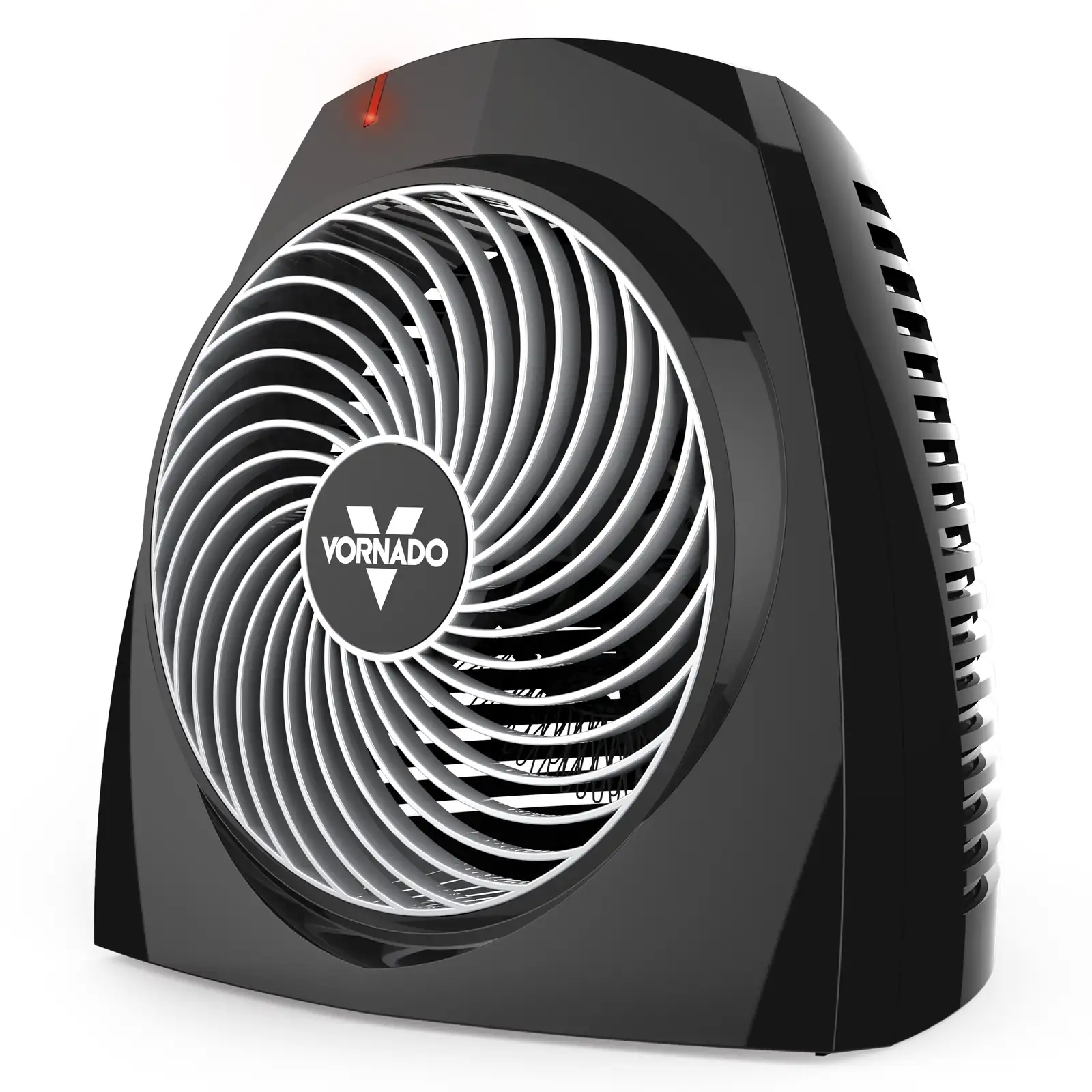
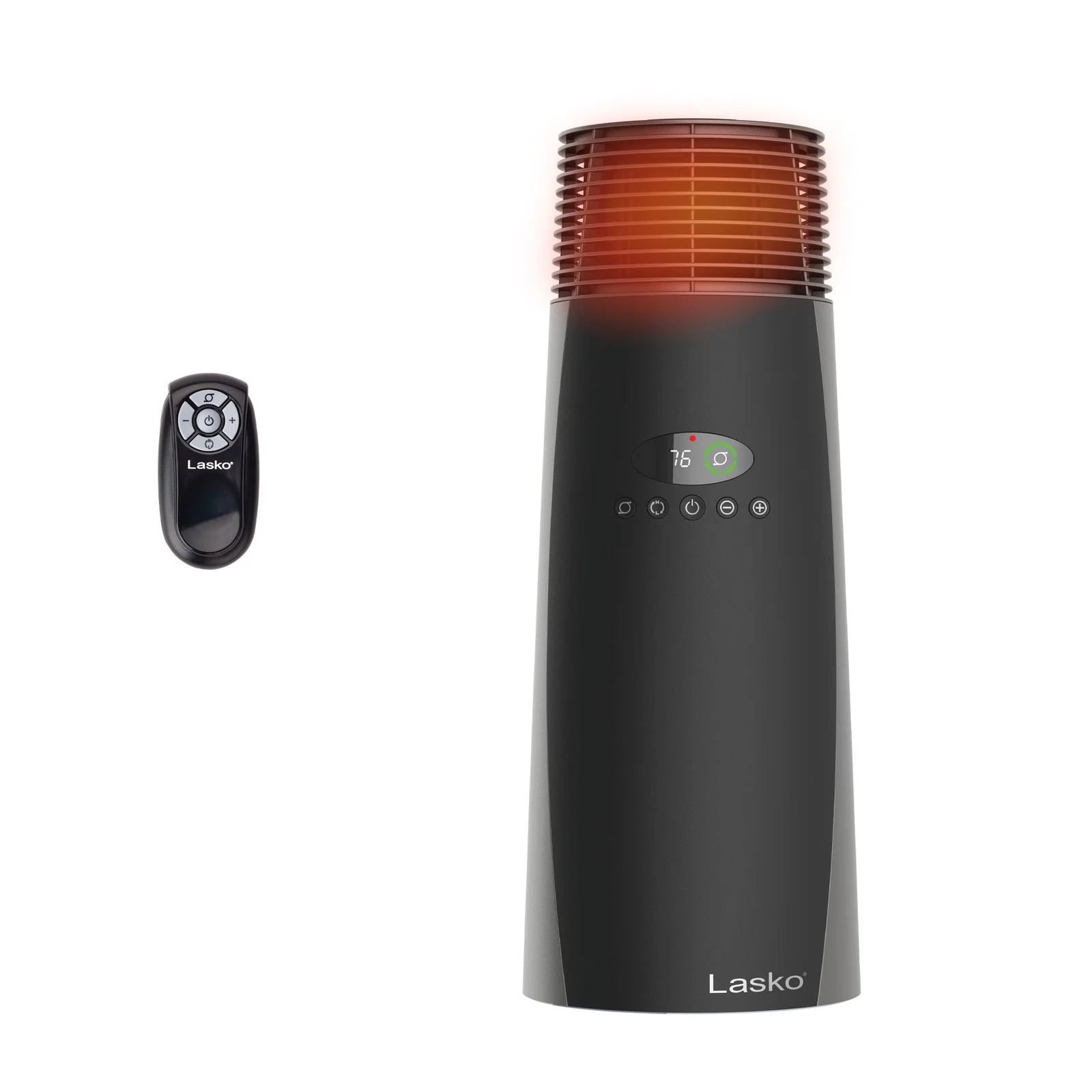
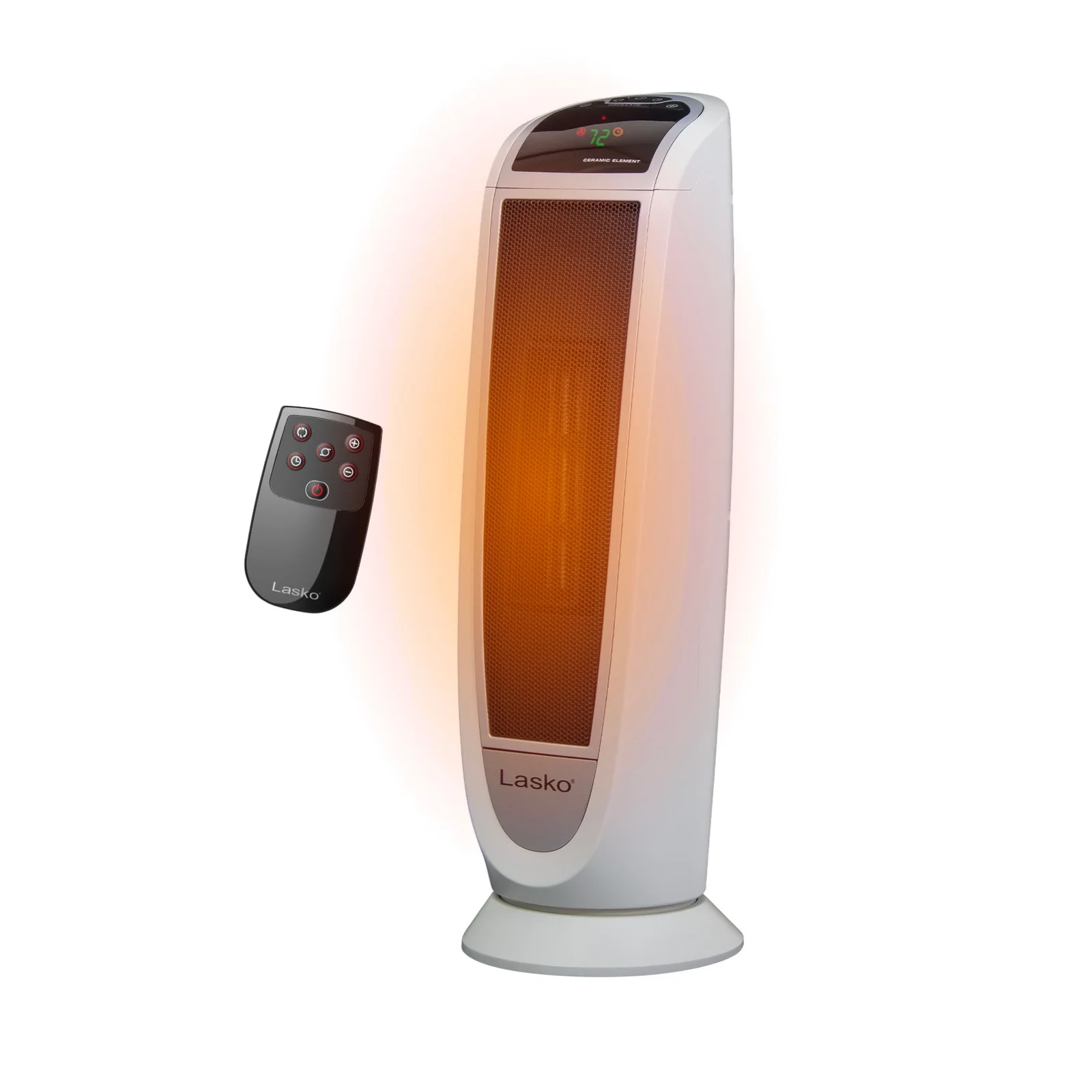
If you do not need oscillation, the math shifts. Wirecutter’s leading choice, the Vornado VH200, is listed at $80 from The Home Depot and carries a five-year warranty, and its budget pick, the Lasko 754200, is $35 at Walmart. Both are ranked higher for most buyers. Any price well above $75 should be weighed against those instead.
Sources
Independent reviews:
- The Best Space Heaters of 2026 (Wirecutter)
- Best space heaters in 2026 (Tom’s Guide)
- The Best Space Heaters in 2026 (CNET)
- The Best Space Heaters, Tested (Bob Vila)
Owner reports:
- No readable owner discussions were found for this model.